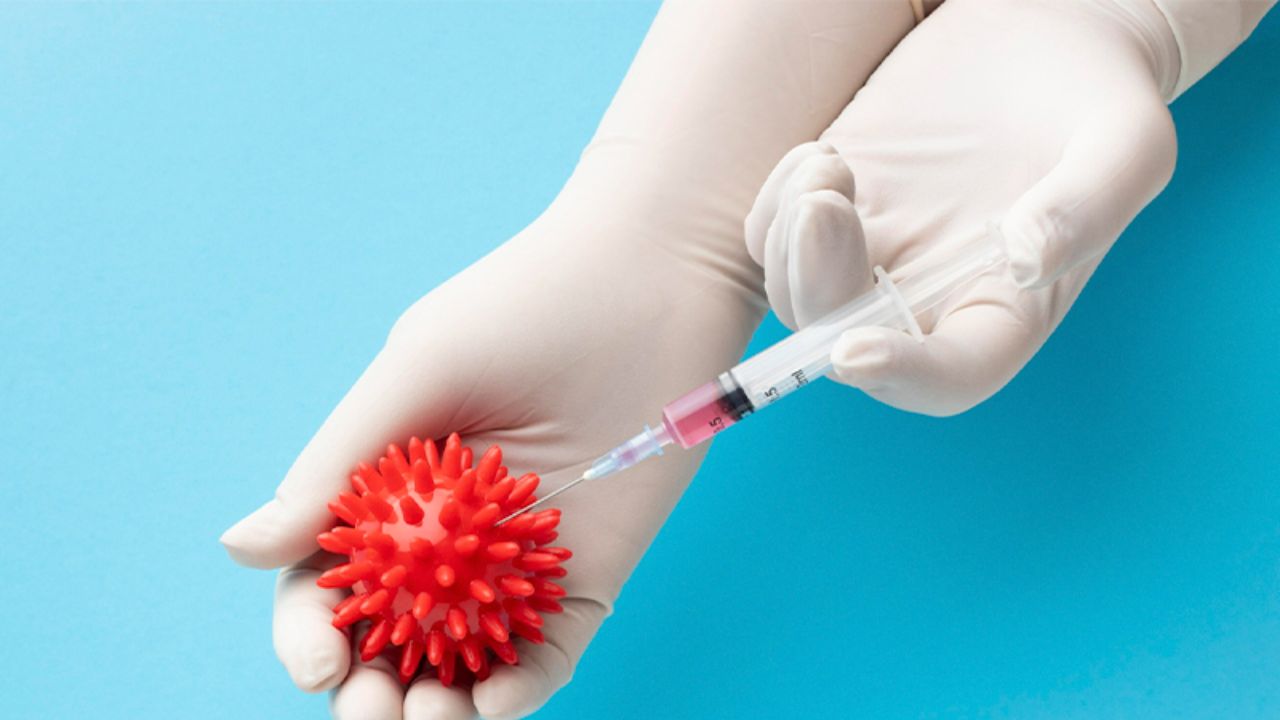
Papillomavirus is more common than most people expect. Simultaneously, its results are diverse among individuals. Other people do not experience the symptoms, whereas some can experience the changes or health problems. As such, there is a need to have a clear picture of it rather than assumptions. The article describes Papillomavirus in plain language, having a proper flow and clarity. You will get to know what it is, how it spreads, how it acts within the body and what measures can assist you to remain safe. This is aimed at ensuring that the topic is easy to read but at the same time you have meaningful knowledge.
What Is Papillomavirus?
Papillomavirus is an infectious virus with a double strand of DNA, which may infect the skin of the body and mucous membranes. It usually induces growths like warts but some kinds can cause more severe disorders in the long run. It is highly diverse with numerous subtypes, which means that its influences may vary dramatically in people. Over 100 Papillomaviruses have been known to date. There are those that are restricted to the skin only and some others that affect the internal parts such as the cervix or the throat. As such, physicians categorize them as low-risk and high-risk depending on the potential effects they have.
The infection is often silent over a long period of time. Nevertheless, a consistent infection with high-risk types may cause a gradual development of abnormal cell changes. That is why early recognition and surveillance are very vital in the treatment of papilloma virus.
Types and Risk Levels of Papillomavirus
Papillomavirus of different types have different behaviors. They can cause simple skin warts caused by some and are associated with the potential risk of cancer. The awareness of this difference facilitates adequate diagnosis and treatment.
| Category | Common Types | Risk Level | Effect |
| Cutaneous | 1, 2, 4 | Low | Skin warts |
| Anogenital | 6, 11 | Low | Genital warts |
| High-risk | 16, 18 | High | Cancer risk |
Low-risk types usually cause visible but harmless lesions. In contrast, high-risk types may stay hidden and slowly cause cellular changes.
How Papillomavirus Spreads and Enters the Body
Papillomavirus gets into the body through small cuts in the skin or mucosal lining. Even slightly damaged, the virus enters the deeper cells and starts its functioning. Often, these openings are not visible so people are not aware when they are exposed.
Papilloma virus is mostly transmitted during intimate contact. It is spread in intimate contact in most instances, though it can also be transmitted through common surfaces. To illustrate the point, individuals tend to acquire foot warts once they walk bare in the open areas such as locker rooms.
There are also some lifestyle issues that are predisposing. Smoking undermines the body’s defense mechanism and having several partners enhances the chances of exposure. Thus, by knowing these dangers, people can take precautionary measures at an early stage.
Papillomavirus Infection and Its Effect on the Body
When Papillomavirus gets into the body, it infects the basal cells of the skin or mucosa. It starts slowly multiplying and may usually be missed at the initial stages. Due to this gradual development, the symptoms are not manifested immediately.
The virus triggers proteins that disrupt the normal regulation of the cells. In particular, such proteins as E6 and E7 interfere with the normal protective processes in the body. This causes cells to begin to proliferate in an unregulated manner rather than in regular patterns.
Step-by-Step Process of Infection
- Virus enters through damaged skin
- It infects basal cells
- It multiplies silently
- It forms visible lesions
- It may trigger abnormal growth
Initially, it results in such visible changes like warts. Nonetheless, in infection with a high risk, the changes might slowly advance into more severe forms. Thus, early diagnosis and follow-up is crucial. This is the process that leads to the infection remaining unnoticed many times.
Common Symptoms of Papillomavirus You Should Notice
Papillomavirus may not necessarily cause observable symptoms. Many people are carriers of the virus without any symptoms. Nevertheless, there are those who acquire observable alterations based on the nature of infection. The most frequent is the emergence of warts. These can be either on the hands, feet, or on the genitalia. In other instances, people can also suffer discomfort, irritation or mild bleeding.
Typical Signs to Observe
- Small, rough skin growths
- Genital warts
- Mild irritation or discomfort
- Unusual bleeding
In addition, the infection of Papilloma virus under high-risk often goes unnoticed. Hence, periodic screening will be significant to early identification. These infections can take years to be detected without testing. Early identification of these signs contributes to early consultation and treatment.
Papillomavirus Diagnosis and Testing Methods
Physicians identify Papillomavirus in various ways depending on the region that is affected. The test method relies on the symptoms and medical history. Thus, accurate assessment assists in defining the condition. To illustrate, Pap smears assist in the detection of abnormalities in the cervical cells. The type of HPV tests determines the types of viruses in the body. In other instances, the physicians carry out a biopsy to ascertain the existence of abnormal cells. With early diagnosing, it is easier to handle and complications are minimized. Thus, standard screening is significant in averting severe consequences.
Treatment and Management of Papillomavirus
There is no single cure of papillomavirus and physicians control it successfully by using various treatments. The primary treatment objective is the elimination of affected tissue and the support of the immune system.
Cryotherapy is a method used by doctors to freeze warts and eliminate infected cells. They can also carry out surgical excision or laser ablation, depending on the level of severity. The body in most instances clears the infection in due course.
Common Treatment Options
- Cryotherapy
- Surgical removal
- Laser therapy
- Medications
Nevertheless, repetition is still prevalent, and thus, follow-up treatment is required. Thus, patients must remain regular in treatment and in monitoring. All the methods have different ways of operation, yet all strive to put the infection under control.
Prevention Strategies for Papilloma virus Protection
The prevention of Papillomavirus is better than its treatment in the future. Several high-risk and low-risk types have excellent protection against vaccination. Physicians suggest that vaccination should be done at a tender age.
Also, safe habits minimize the exposures. Protection and restricting the partners reduce the risk to a great extent. Frequent screening can also be done to detect change at an early stage before it is serious.
Prevention Measures
- Get vaccinated early
- Practice safe habits
- Limit exposure risk
- Attend regular screenings
Thus, vaccination and a healthy lifestyle would be the most effective in protecting against Papilloma virus. Such measures are aimed at preventing an infection as well as long-term complications.
Long-Term Outlook and Complications of Papillomavirus
The majority of Papillomavirus infections are not severe and can be treated. Nonetheless, there are instances in which it might result in complications when not treated. Through continuous infection, the chances of abnormal cell changes become more threatening. These changes in rare incidences become cancerous. This is more dangerous among people who have weak immunity. Also, warts can recur and that can impact the emotional state. Thus, these risks can be minimized by periodic check-ups and timely management. Consciousness is one of the factors that enhance the outcomes over time.
Living with Papillomavirus and Managing Daily Life
Having Papillomavirus does not imply doing without control over your health. The majority of individuals are able to cope with it through appropriate treatment and attention. Frequent examinations and medical nutrition contribute to stability. Physicians usually prescribe non-contact isolation until lesions can be seen. Hygiene also helps in preventing the spread through the maintenance of hygiene and informing the partners. Such steps might not appear to be difficult to undertake, yet they make a considerable change. Thus, it is possible to have a middle ground between medical treatment and proper habits so that people can lead an ordinary life and cope with Papilloma virus.
Conclusion:
Papillomavirus is widespread, but it is not necessarily accompanied by severe issues. It can be controlled by people with the right knowledge and minimize the risks. Prevention in the form of early awareness, early testing and prevention is a significant factor in managing its effects. Meanwhile, lifestyle is a determinant of the development of the infection. That is why it is necessary to practice good habits and be informed. High-risk types are further prevented by vaccination and regular screening. Ultimately, Papilloma virus must not be feared but awareness should be promoted. By making the right steps, people will be able to stay healthy and prevent complications.
Also Read About: How Kialodenzydaisis Kills: Symptoms, Causes and Health Risks