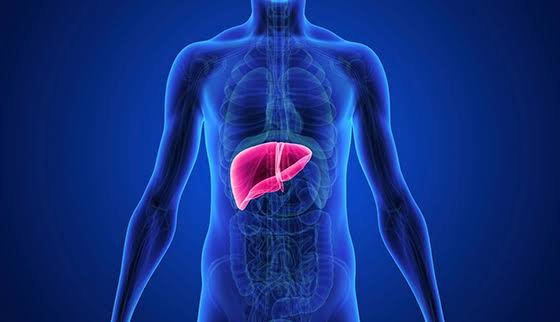
Your liver works around the clock, performing hundreds of functions that help keep your body healthy. It processes nutrients, produces bile for digestion, stores energy and helps remove substances your body no longer needs. Despite its importance, liver health rarely receives much attention until a routine blood test reveals an abnormality or symptoms prompt a medical appointment. Fortunately, everyday decisions involving nutrition, physical activity and preventive healthcare can help protect this essential organ. Understanding how the liver functions also makes it easier to separate practical wellness strategies from unnecessary complications. Supporting liver health begins with consistent habits rather than dramatic lifestyle changes.
Exploring Supplements for Liver Wellness
Nutritional supplements are one option for people interested in developing a more comprehensive wellness routine. Someone considering a liver health supplement may encounter ingredients such as milk thistle, artichoke extract, choline and various vitamins associated with normal metabolic functions. Choline, for example, is an essential nutrient involved in transporting fats from the liver. Botanical ingredients also have long histories of traditional use, making them subjects of continuing scientific interest. Choosing a supplement involves reviewing ingredient lists, understanding recommended serving sizes and considering individual nutritional needs. Discussing new products with a healthcare professional can help ensure they fit appropriately alongside existing medications and personal health considerations.
Choose Foods That Support Metabolism
A balanced eating pattern can help maintain liver health while supporting cardiovascular and metabolic function. Vegetables, fruits, whole grains, legumes and minimally processed protein sources provide nutrients needed for everyday bodily processes. Foods containing unsaturated fats, including olive oil, nuts and fish, can be incorporated into meals alongside fiber-rich ingredients. Reducing frequent consumption of sugar-sweetened beverages may be particularly helpful for people concerned about excess calorie intake and metabolic health. Rather than eliminating entire food groups, focus on building satisfying meals with appropriate portions. People with diagnosed liver conditions may require individualized nutritional guidance, especially when advanced disease affects how the body processes nutrients.
Understand the Role of Movement
Regular physical activity supports metabolic health and can help reduce excess fat accumulation in the liver. This is particularly relevant to metabolic dysfunction-associated steatotic liver disease, or MASLD, a condition involving excess liver fat alongside certain cardiometabolic risk factors. Walking, swimming, cycling and other aerobic activities can contribute to improved fitness, while resistance training helps maintain muscle mass. Adults generally benefit from at least 150 minutes of moderate-intensity aerobic activity weekly, along with muscle-strengthening activities on two or more days. People beginning a new routine can build gradually according to their abilities. Consistency matters more than exhausting workouts, especially when exercise becomes part of everyday life.
Know What Liver Tests Reveal
Liver health assessments often begin with blood tests that measure substances associated with liver function or injury. Common measurements include alanine aminotransferase, aspartate aminotransferase, alkaline phosphatase and bilirubin. Abnormal results do not automatically indicate serious disease, but they may require additional evaluation. Clinicians consider medical history, medications, alcohol intake and other findings when interpreting results. Imaging or specialized testing may be appropriate in certain situations. Understanding these measurements can make medical conversations more productive and help patients recognize why follow-up matters. Routine screening is especially relevant for individuals with diabetes, metabolic risk factors or other conditions associated with liver disease.
Understanding Peptides and Liver Research
Interest in peptide-based therapies has expanded alongside broader conversations about metabolism and wellness. In biological terms, peptides are short chains of amino acids that can act as signaling molecules or perform other functions within the body. Certain prescription medications that act on hormone receptors have demonstrated benefits for metabolic conditions, and researchers are investigating their potential relevance to some forms of liver disease. However, peptide therapies differ considerably in their mechanisms, approved uses and supporting evidence. Experimental compounds should not be confused with established treatments. Anyone considering a peptide-related intervention should discuss its medical purpose, regulatory status and potential risks with a qualified clinician.
Recognize Risks and Warning Signs
Protecting the liver also involves understanding factors that can contribute to damage over time. Excessive alcohol consumption, certain infections, metabolic conditions and some medications can affect liver health. Following medication instructions and avoiding unnecessary combinations of products can help reduce preventable risks. Vaccination against hepatitis A and B may be recommended depending on age, medical history and other factors. Liver disease can develop without noticeable symptoms, although persistent fatigue, yellowing of the skin or eyes, abdominal swelling and dark urine warrant medical attention. Sudden confusion or severe symptoms require urgent evaluation. Early assessment can help identify problems before complications develop.
Supporting liver health does not require an elaborate routine. Balanced nutrition, regular movement, informed supplement choices and appropriate medical care provide a practical foundation for protecting this hardworking organ throughout life.