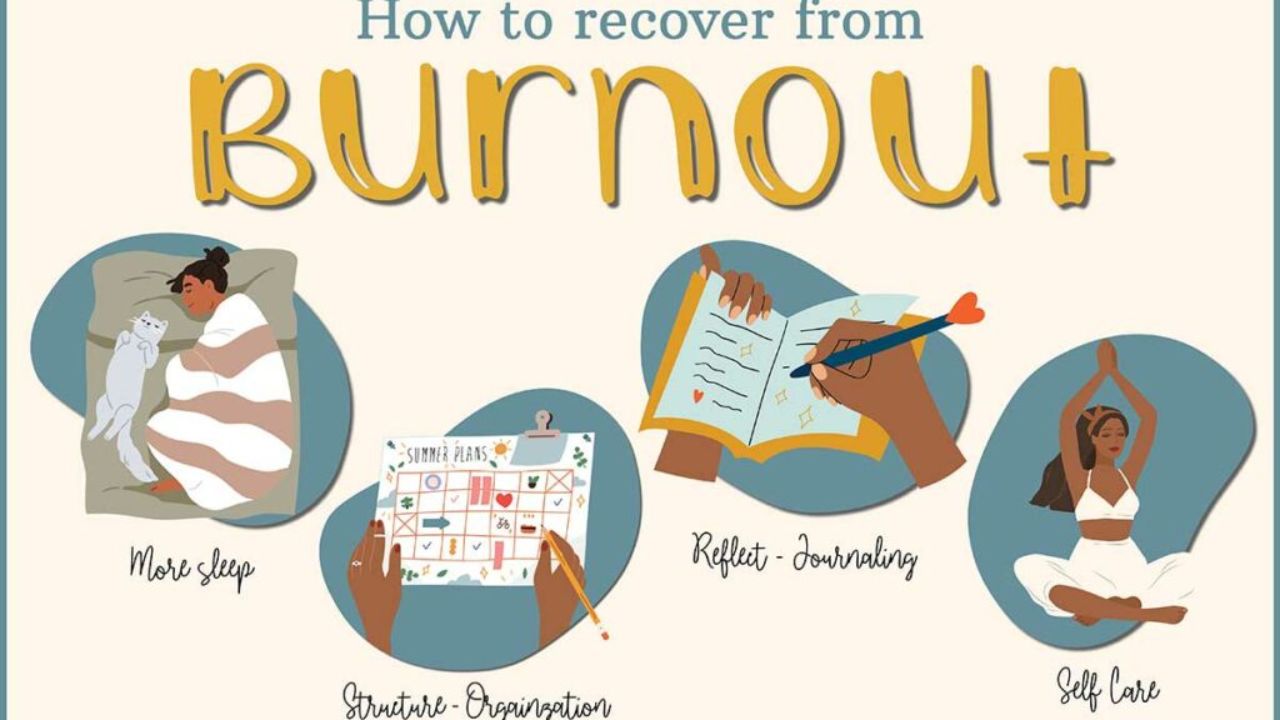
Mental health isn’t something you can compartmentalize. It shows up in your work, your body, your relationships, your voice when you answer a call. It’s the tightness in your chest at night when you realize you’ve been running on fumes for months. And yet, people are still trying to white-knuckle through it like it’s a badge of honor. That’s not strength. That’s survival mode. There’s a difference.
The cultural tide is shifting—finally—but the idea that you have to “earn” rest or reach some breaking point before you’re allowed to take a step back is still baked into how most of us operate. The good news is, you don’t have to live like that. You can stop waiting for everything to fall apart before making space for your mental health. You can decide you’re worth protecting now.
When You Don’t Look Sick, But You’re Falling Apart
There’s a particular kind of exhaustion that doesn’t show up in lab work. It’s the kind that makes getting through the day feel like dragging a hundred-pound coat behind you. People might tell you to try yoga or sleep more, but when your brain’s stuck in survival mode, a nap doesn’t cut it. You can’t out-sleep chronic stress.
Mental health symptoms can be invisible, but their impact is anything but. You can lose your ability to focus. You might get short with people you love. You start avoiding things you used to enjoy. These aren’t quirks or character flaws. They’re warning signs. Your mind is waving a white flag, hoping you’ll notice before the rest of you starts to shut down too.
There’s a reason burnout feels so personal. You’re told to hustle, to be grateful, to just push through. So when it all feels like too much, shame creeps in. You start wondering if you’re just lazy or ungrateful. You’re not. You’re tired of pretending you’re okay when you’re not. That’s a wildly reasonable response to a system that doesn’t make room for human limits.
You’re Allowed To Take A Break (And There Are Laws That Say So)
For years, the message was subtle but clear: if you’re not bleeding, you’re fine. Mental health wasn’t considered a legitimate reason to step away from work, at least not out loud. But that’s changed. People have fought hard to make space for what should’ve always been obvious—that psychological health matters just as much as physical health.
That shift isn’t just cultural; it’s legal. There are laws for mental health leave in place now that give employees the right to protect their well-being without fear of losing their job. Depending on where you live and work, you may have access to job-protected leave for therapy, medication adjustments, or just the rest you need to function like a human being again.
Knowing your rights isn’t just about paperwork—it’s about reclaiming your time and dignity. You shouldn’t have to beg for care or pretend you have the flu to cover for a panic attack. You’re not asking for special treatment. You’re asking to be treated like someone whose pain is real. Because it is.
Managing Your Mind Without Abandoning Your Life
You don’t need to quit your job, move to a farm, or go off-grid to feel better. It’s easy to fall into the trap of thinking big change is the only way out of burnout, but small recalibrations can have real power. It’s less about escaping your life and more about learning how to live in it without constantly running on empty.
The trick is finding what helps you shift out of the chaos and back into yourself. For some people, that means carving out time for walks where no one talks to them. For others, it’s learning to say no without guilt. You don’t have to reinvent your whole personality. You just have to start treating your mind like it’s part of your body—something that needs care, maintenance, and fuel.
If you don’t know where to start, try grounding techniques. They can anchor you in the present when your thoughts start spinning out. Things like naming five things you see, four things you feel, three things you hear—yes, it sounds basic, but it works. And sometimes basic is exactly what you need when everything feels overwhelming.
You won’t always be able to catch the spiral before it starts, but you can get better at shortening its grip. That’s progress. That counts.
Rewiring The Guilt Loop That Keeps You Stuck
There’s this idea that if you’re not constantly productive, you’re wasting your potential. That mindset is poison. It keeps people grinding long after their minds and bodies have sent every signal they can. If you’ve internalized the belief that rest equals weakness, it’s time to question who benefits from that lie. (Spoiler: it’s not you.)
You’re not here to perform wellness for other people. You’re here to feel like yourself again. That doesn’t come from pretending everything’s fine. It comes from making changes that honor what you actually need, even if no one else claps for it.
Guilt thrives in silence. It tells you you’re being dramatic. That you don’t deserve help. That someone else always has it worse. You know what else someone always has worse? A broken leg. But that doesn’t mean you shouldn’t treat yours. Your pain is real even if someone else looks different. Stop ranking it. Start responding to it. You’re allowed to take up space in your own story.
It’s Not About Getting Back To Normal
There’s a lot of pressure to “get back to yourself” after a tough stretch. But sometimes, the version of you that’s waiting on the other side isn’t the old you—it’s someone who’s more honest, more resilient, more self-aware. Growth doesn’t always feel like growth when you’re in it. It just feels hard.
You don’t have to go back to how things were. You’re allowed to want better. That might mean cutting back on obligations that drain you or turning down things that used to be automatic yeses. It might mean being less available to people who only show up when they need something. This isn’t selfishness. It’s self-respect. And if anyone makes you feel guilty about that, let that be their problem, not yours.
Healing isn’t linear. You’ll have days where everything clicks and days where you want to crawl under a weighted blanket and forget the world exists. Both count. Both are part of it.
Permission To Move Forward
You don’t have to prove your pain to deserve rest. You don’t need to fall apart completely for your needs to be valid. Mental health doesn’t have to be a dramatic breakdown to matter—it can be a quiet choice to stop pretending you’re fine when you’re not. It can be a decision to prioritize peace over performance. That’s not giving up. That’s waking up.
You can be someone who keeps going and someone who takes breaks. You can be strong and still need help. You’re allowed to have limits. And you don’t owe anyone an explanation for honoring them. You’re not behind. You’re not broken. You’re just human. And that’s more than enough.