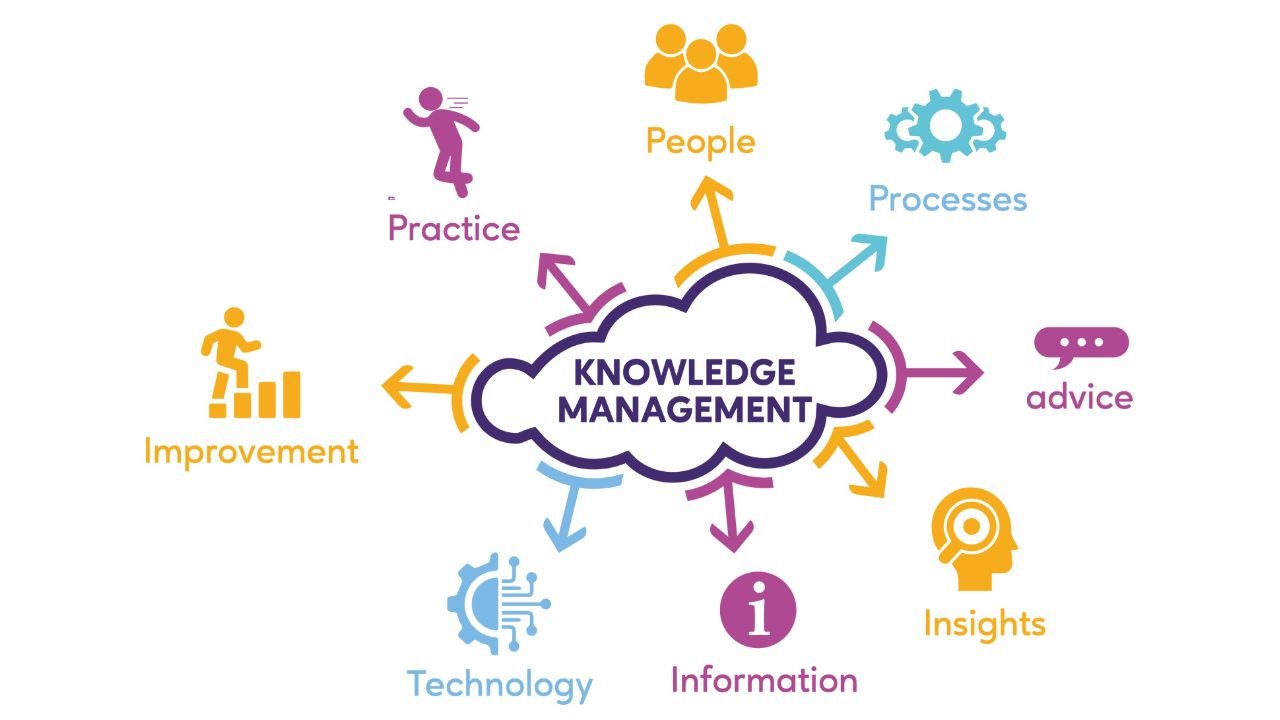
In the fast-paced world of modern business, the ability to quickly access and utilize information is crucial. Knowledge management systems play an integral role in fostering this capability, ensuring that organizations can maintain and leverage their intellectual assets effectively. By enhancing communication and streamlining information sharing, these services provide the backbone for informed decision-making and strategic planning. Below, we explore the myriad ways in which knowledge management is vital to today’s enterprises.
Understanding Knowledge Management and Its Rising Significance in Business
Knowledge management is a systematic approach to capturing, developing, sharing, and effectively using organizational knowledge. It encompasses a range of practices used in an organization to identify, create, represent, and distribute knowledge for reuse, awareness, and learning. This discipline has gained significance as businesses recognize that their operations are increasingly information-driven, necessitating an effective strategy for managing this crucial asset.
The arrival of digital technology has sparked a transformation in how companies approach knowledge management. With the ubiquity of cloud storage and collaborative platforms, firms have unprecedented capacities to gather, analyze, and disseminate knowledge. This shift has made intuitive knowledge management services essential for any business looking to stay ahead in the information age.
How Knowledge Management Systems Can Drive Innovation and Growth
One of the primary advantages of effective knowledge management is its potential to drive innovation. By centralizing information and experiences, employees can build on each other’s ideas, leading to the development of new products, services, and processes. A robust knowledge base can become a hotbed for collaborative brainstorming and problem-solving that spurs growth.
Knowledge management also supports scaling operations by ensuring that critical information is readily accessible throughout an organization. This access enables companies to respond rapidly to market changes and customer needs, giving them the agility to explore new markets or adjust business models when necessary.
Additionally, knowledge management fosters organizational agility by facilitating the swift dissemination of new policies, processes, or techniques across geographically and functionally dispersed teams. This ensures that all parts of the organization are in sync and can pivot together when needed.
Streamlining Operations and Enhancing Efficiency Through Knowledge Management
Knowledge management is critical in streamlining operations and enhancing overall efficiency within an organization. Direct access to key information and best practices allows employees to perform their jobs more effectively and avoid redundant efforts. This results in time savings and the rapid completion of tasks across departments.
Additionally, knowledge management optimizes onboarding processes for new employees. Instead of retraining from scratch, new team members can tap into a well-maintained knowledge repository to get up to speed quickly. This not only streamlines the learning curve but also reduces the burden on other team members who would otherwise be tasked with training duties.
Error reduction is yet another benefit of a deep-rooted knowledge management system. With documented processes and easily accessible information, mistakes can be minimized, leading to higher-quality outputs and fewer costly reworks. In customer-facing scenarios, this also translates to improved customer satisfaction and loyalty.
The Role of Knowledge Management Systems in Facilitating Decision-Making
Effective decision-making in the business environment relies heavily on having the right information at the right time. Knowledge management is fundamental to providing this clarity, ensuring that decision-makers at all levels have access to comprehensive, accurate, and up-to-date information. With such empowered decision-making, businesses can navigate complex landscapes with confidence.
Not only does knowledge management provide necessary information, but it also offers contextual understanding. Knowing the history behind data, past decisions, and their outcomes can guide leaders to avoid previous mistakes and replicate successes. This context-enriched decision-making can prove invaluable when facing high-stakes situations.
Knowledge Management as a Competitive Advantage in the Digital Era
In today’s digital era, knowledge management has evolved into more than just an internal organizational tool; it’s a critical competitive advantage. Companies with superior knowledge management systems can adapt more quickly to changes in the market, anticipate customer needs, and innovate ahead of the competition.
Moreover, as industries become increasingly complex and specialized, the ability to manage and leverage niche knowledge effectively can set a company apart. Experts who can draw on a diverse range of company experiences through a robust knowledge base can tackle problems more creatively and develop unique solutions.
Customer relationship management also benefits from knowledge management. By maintaining thorough records of customer interactions, preferences, and feedback, businesses can tailor their offerings to meet precise needs, thus improving customer satisfaction and loyalty.
Overall, knowledge management serves as a cornerstone for modern business success. By promoting innovation, streamlining operations, facilitating informed decision-making, and securing competitive advantages, it empowers organizations to thrive in the dynamic global marketplace.