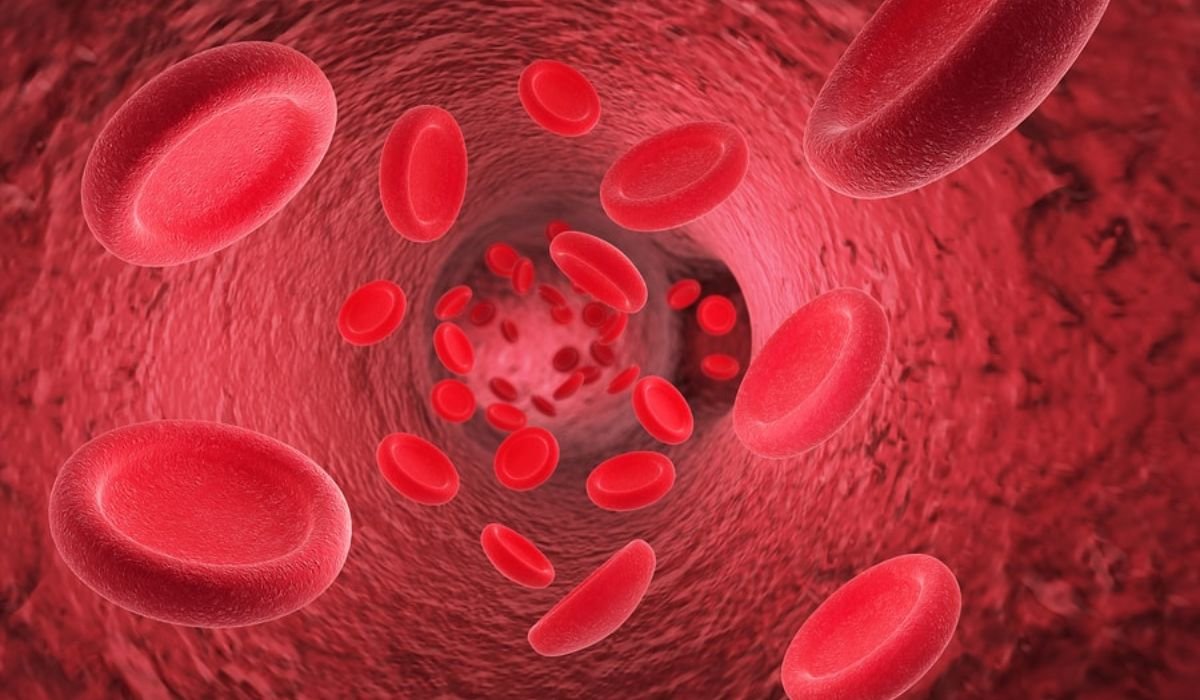
The mchc blood test is an important test for checking your red blood cells. It tells us how much hemoglobin is present in each cell. Hemoglobin is the protein that carries oxygen in our blood and gives it the red color. The test helps doctors find out if you have enough healthy red blood cells or if there is a problem.
This test belongs to the set of a complete blood count, which is a normal blood test your doctor may prescribe for you. The MCHC lab test is helpful in that it provides in-depth data on the capacity of your blood to transport oxygen in your body. By looking at this value, your doctor can decide if you need treatment or further tests.
What Is MCHC and What Does It Do?
The mchc blood test examines the average hemoglobin levels within the red cells. To transport oxygen to every area of your body, you require hemoglobin. Different levels of MCHC may indicate inappropriate anemia or other blood disorders under the influence of the given parameter is too high or too low.
A normal MCHC value is usually between 32 to 36 grams per deciliter (g/dL). But this range can change slightly depending on the lab. If your value is low, it means your blood may not carry enough oxygen. If it’s high, your blood cells may be too full of hemoglobin and break easily.
Understanding Your Results
When you get your blood test results, you will see a number that shows your hemoglobin concentration. If it falls below 32 g/dL, it suggests iron deficiency anemia or other similar issues. If it’s above 36 g/dL, it might point to conditions where cells break down too fast, like hemolytic anemia.
Doctors use these results along with other tests in a complete blood count to get a full picture. They will check your other red blood cell values to confirm what is happening inside your body. Here is a simple table to help understand what your numbers might mean:
| MCHC Level | Meaning |
| Low (<32 g/dL) | Possible iron deficiency anemia |
| Normal | Healthy red blood cells |
| High (>36 g/dL) | Possible hemolytic or genetic anemia |
Why MCHC Can Be Low
Low MCHC levels usually mean there isn’t enough hemoglobin inside each cell. This can happen if you don’t get enough iron in your diet, or if your body cannot use the iron well. Sometimes, conditions like chronic inflammation, kidney disease, or digestive problems can make this worse.
Other reasons include inherited conditions such as thalassemia, where the body doesn’t make hemoglobin properly. When MCHC is low, your body struggles to get enough oxygen, making you feel weak and tired. Doctors look closely at this value to decide if you might need iron supplements or other treatment.
Reasons for High MCHC Levels
A high mchc blood test result can also be serious. This usually happens when red blood cells break down faster than normal. It may be due to hemolytic anemia, where cells are destroyed in the body before they should be.
Other reasons include rare genetic conditions like hereditary spherocytosis, where cells are rounder and break easily. Sometimes, infections or immune problems can also make the value go up. Doctors use your medical history to understand why MCHC is high and plan treatment.
What to Expect During Your Blood Test
The MCHC lab test is quick and simple. A healthcare provider will draw blood from your arm using a small needle. You may feel a small sting, but the whole process takes less than five minutes.
After the test, you might feel a little dizzy or notice mild bruising where the needle was placed. There is no special preparation unless your doctor tells you to fast for another test done at the same time. Your results usually come back within a few days.
Other Important Blood Tests
Along with the mchc blood test, a complete blood count includes other checks on your red blood cells. These tests help give a full picture of your health.
Some other common checks include:
- Mean corpuscular volume (MCV): This tells the average size of your red blood cells.
- Mean corpuscular hemoglobin (MCH): This shows the average amount of hemoglobin per red blood cell.
- Red cell distribution width (RDW): This measures the differences in cell sizes.
Could Your MCHC Result Be Wrong?
Sometimes, the MCHC lab test results can be incorrect. Things like recent blood transfusions or high levels of fat in your blood can change your hemoglobin readings. Infections or liver problems can also affect the results.
If your doctor thinks the result is wrong, they might repeat the test. They will also look at other blood values to make sure everything matches. This is why it’s important to follow your doctor’s advice and share all your health details with them.
Final Thoughts on MCHC
The mchc blood test is a very helpful tool to check your red blood cells and hemoglobin levels. It can show early signs of anemia or other blood issues, helping your doctor make the right treatment plan. If your results are not normal, don’t panic. Talk to your doctor about what they mean and what steps to take next. Keeping track of your blood health is a good way to stay strong and feel your best.
You Might Also Like :- Celine Dion Health: A Story of Strength and Love