Key Takeaways
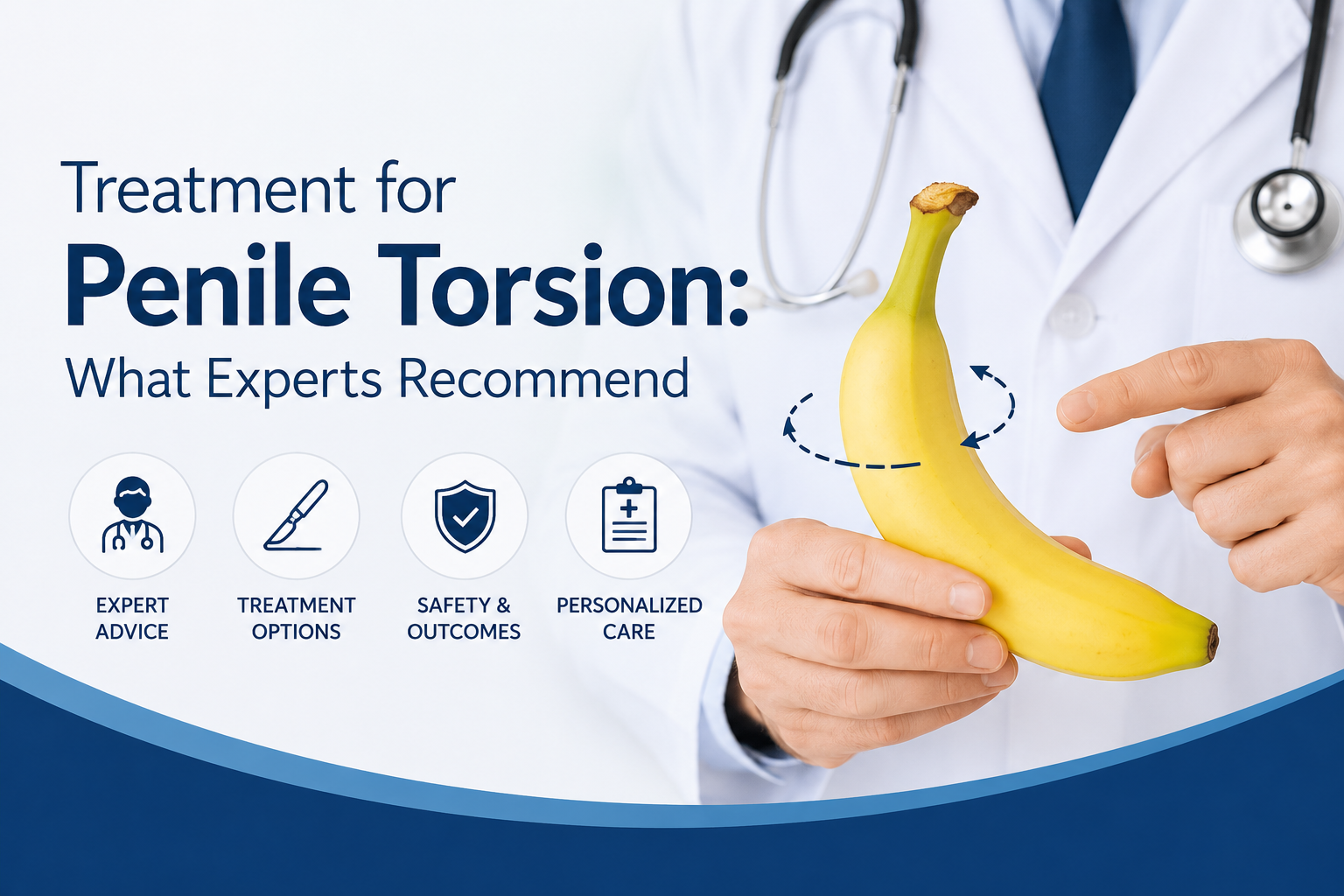
Penile torsion presents with a distinct twist in the penis, often causing discomfort, pain during erections, and misalignment of the urethral meatus. Identifying these symptoms is imperative for prompt medical consultation.
Those encountering persistent pain, urinary issues, or worsening penile deformity should promptly seek medical attention for penile torsion. Acting quickly can prevent long-term complications.
Surgical intervention stands as the primary treatment modality for penile torsion, with techniques like penile de-torsion utilized to reset alignment while under anesthesia. These procedures aim to enhance both appearance and function.
The recovery period following penile torsion surgery usually spans several days to weeks, depending significantly on individual health and specific surgical techniques applied. Adherence to post-operative care instructions is vital for ensuring optimal healing.
The psychological ramifications of penile torsion can impact mental well-being, leading to feelings of embarrassment and anxiety regarding intimacy and personal relationships. Addressing both the physical and psychological dimensions of recovery is vital for a comprehensive recovery process.
During treatment for penile torsion, integrating emotional support such as counseling and peer groups is crucial. These resources can foster a sense of community and assist in overcoming psychological hurdles.
Regular education and check-ups play a key role in preventing and managing penile torsion and associated conditions. Engaging in open discussions about men’s health encourages individuals to seek timely assistance and nurtures healthier perspectives on sexual health.
Key Symptoms of Penile Torsion to Watch For
Identifying Common Indicators
Though rarely discussed, penile torsion can present notable challenges requiring attention. Individuals may observe a pronounced twist in the penis shaft, potentially resulting in discomfort and psychological strain. Common signs include a visible curvature of the penis, pain during erections, and issues achieving sexual satisfaction. Occasionally, individuals describe feelings of abnormal tension that worsen with movement. Recognizing these indicators might prompt earlier action and medical consultations.
One critical symptom involves the alignment of the urethral meatus. If it’s misaligned from its typical position, this could indicate a torsion problem. Although rare, penile torsion can also result in painful urination, prompting individuals to seek further clarification about their condition.
Experts advise vigilance regarding these symptoms, as early identification is essential for effective treatment. Some signs might go unnoticed, leading to possible complications. Establishing baseline awareness can contribute to better overall health.
When to Seek Medical Attention
A common inquiry arises: when is it necessary to seek medical intervention for penile torsion? The answer is rather clear: if symptoms persist or deteriorate, immediate consultation is needed. Struggles with daily tasks, particularly those concerning sexual health, shouldn’t be ignored. Professionals recommend timely evaluation by a qualified urologist if any of the following occur:
- Persistent Pain: Should discomfort intensify, seeking help becomes essential.
- Urinary Problems: If urination becomes painful or complicated.
- Deformity Progression: Noticeable changes in penile alignment necessitate urgent evaluation.
Delaying treatment can lead to serious long-term repercussions. It’s crucial for individuals to advocate for their health; disregarding discomfort can exacerbate conditions. Professional guidance can aid in comprehending the situation and alleviating the emotional burden associated with these issues.
Innovative Surgical Solutions for Penile Torsion
Leading Techniques Employed by Specialists
Surgical intervention remains a cornerstone in effective treatment for penile torsion. Leading specialists utilize various techniques tailored to each individual’s specific anatomy and degree of torsion. Experts agree on the effectiveness of surgical methods like penile de-torsion, whereby surgeons meticulously restore alignment under anesthesia. This precise and minimally invasive procedure seeks to optimize both aesthetic and functional results.
Some medical teams may also propose combining techniques to address concurrent issues such as hypospadias, which could complicate the clinical scenario. Such surgical interventions not only alleviate physical symptoms but are also pivotal in restoring self-esteem and emotional well-being.
“Surgery is not merely about the physical corrections; it’s often about restoring confidence and quality of life.”
Recovery and Long-Term Outcomes
Recovery duration after surgical procedures for penile torsion differs notably. On average, many patients anticipate a recovery phase lasting a few days to several weeks. However, aspects such as overall health and the specific surgical approach can substantially affect this timeframe. Post-operative care is crucial; patients should refrain from strenuous activities and sexual intercourse during the initial recovery period. Adhering to healthcare provider guidelines will ensure the best healing outcomes.
Long-term results tend to be favorable, with a significant number of patients realizing improved quality of life following treatment. Evidence indicates that most individuals enjoy positive outcomes post-surgery. Continuous follow-up visits with urologic specialists are recommended to monitor recovery and address any concerns that may arise. Creating a supportive rapport with healthcare providers nurtures ongoing care.
Understanding the Impact of Penile Torsion on Health
Physical and Psychological Effects on Patients
The consequences of penile torsion reach beyond physical aspects. The way such a condition can affect one’s quality of life and mental health is critical to acknowledge. Many individuals report feelings of shame and stress, not just concerning their physical well-being, but also regarding intimacy and relationships. Indeed, the psychological effects can be quite profound, as societal expectations and peer attitudes can strain self-esteem.
In addition to psychological challenges, physical discomfort can emerge in various situations, such as during sexual encounters or basic hygiene routines. Notably, this discomfort can have a ripple effect, impacting personal relationships and prompting withdrawal from social interactions. Hence, addressing the psychological dimensions is crucial for a holistic recovery approach.
Emotional Support During Treatment
Emotional support isn’t just an accessory; it’s a necessity throughout the treatment journey for penile torsion. Experts strongly advocate for the integration of mental health resources alongside physical care. Patients should consider seeking counseling or engaging in support groups. Such forums offer valuable insights and shared experiences that can help normalize feelings that might otherwise feel isolating.
- Therapy Sessions: Professional counseling can provide much-needed guidance.
- Support Groups: Connecting with others navigating similar challenges is beneficial.
- Open Communication: Fostering discussions with partners about concerns and feelings.
Relying on family and friends for emotional encouragement can bolster the healing process. Each person deserves the opportunity to not only recover physically but to thrive emotionally through this journey.
Expert Insights on Preventative Measures
Best Practices for Patients and Parents
Understanding penile torsion offers invaluable learning opportunities for both patients and parents alike. Professionals suggest enhancing awareness regarding diagnosis and management strategies. Information is power; having the necessary knowledge is vital for making informed choices. Here are some best practices to consider:
- Education: Getting familiar with potential symptoms and treatment options.
- Regular Check-ups: Routine consultations with a urologist can spotlight possible complications.
- Open Dialogue: Encouraging discussions between parents and children relating to penile health.
Preventive education normalizes conversations about bodily health while empowering individuals to seek assistance when necessary. Early intervention typically leads to improved outcomes and overall health. This proactive mindset highlights the significance of confronting uncomfortable subjects directly.
Role of Regular Check-ups in Preventing Complications
Regular check-ups are more than just appointments; they serve as vital mechanisms for preventing complications linked to penile torsion and related conditions. Monitoring changes during developmental years, particularly through puberty, becomes essential. Urologists emphasize the need for both parents and young patients to understand the significance of these assessments.
During such visits, medical professionals can review growth concerns, assess alignment issues, and explore any related conditions. By nurturing a culture of open discussions regarding sexual health from an early stage, families can ease anxieties surrounding these topics and promote healthier perspectives.
“Prevention starts with awareness, and awareness leads to health.”
Proactive efforts augmented by education about penile torsion can foster a healthier atmosphere for discussions around men’s health. Active engagement encourages well-being and opens up avenues for timely interventions.
FAQ
What are the potential causes of penile torsion?
Penile torsion can result from congenital factors, including developmental anomalies or conditions like hypospadias. Trauma or injury during puberty or sexual activity may also contribute to the twisting of the penis.
Can penile torsion affect fertility?
Generally, penile torsion does not have a direct impact on fertility. However, if it results in notable discomfort or complications affecting sexual function, it could indirectly influence fertility. Engaging with a specialist can help clarify any concerns regarding this issue.
Are there non-surgical options for treating penile torsion?
Currently, surgical treatment is the primary intervention for penile torsion. Nonetheless, some healthcare providers might suggest physical therapy or specific exercises to manage mild cases or prepare patients for surgery. Customized solutions should be discussed with a healthcare professional.
What should one expect during a follow-up appointment after surgery?
During follow-up appointments, patients can anticipate evaluations of the healing process, discussions about any arising symptoms, and potential adjustments to post-operative care. Maintaining open communication with healthcare providers is essential for a comprehensive recovery experience.
How can partners support someone undergoing treatment for penile torsion?
Supportive partners should engage in open dialogues, creating a space for feelings to be discussed. Taking part in follow-up visits and encouraging the individual to pursue emotional support can greatly benefit the recovery journey.
Are there any lifestyle changes that can help manage or prevent penile torsion?
Maintaining overall health and fitness can offer various advantages. Routine check-ups with urologists, fostering open discussions about symptoms, and promoting a healthy educational environment on sexual health can assist in early detection and prevention of complications related to penile torsion.
What role does peer support play during recovery from penile torsion?
Peer support can significantly aid recovery, providing shared experiences and diminishing feelings of isolation. Connecting with others who face similar challenges fosters a sense of community and may inspire proactive health behaviors.
Is there a risk of recurrence after surgical intervention for penile torsion?
While there is a possibility of recurrence, it is typically low when surgery is conducted appropriately, and the patient adheres to post-operative care protocols. Continuous communication with a healthcare provider can ensure timely management of any issues that arise.
Useful Resources
- UCLA Health– Comprehensive information on urological health and treatment options.
- Mayo Clinic– A trusted source for medical information and patient care resources.
- WebMD– Offers health information and tools for condition management.
- American Association of Urology– Provides educational resources for urological health and conditions.
- Healthline– Features articles and insights on men’s health issues, including sexual health.
- National Institute of Child Health and Human Development– Offers information on developmental issues and associated educational resources.
- Psychology Today– Discusses mental health support and emotional challenges linked to health conditions.
- National Center for Biotechnology Information– A collection of medical journals and research articles providing in-depth knowledge.