DNA has been called the blueprint of life, but modern science is doing far more than simply reading that blueprint. Advances in DNA technology are giving researchers the ability to analyze, synthesize, edit, and even design genetic material in ways that were once considered science fiction.
These innovations are transforming medicine, biotechnology, agriculture, and scientific research, creating new opportunities to diagnose diseases, develop targeted therapies, and better understand the building blocks of human life. From personalized healthcare and genetic testing to synthetic biology and gene editing, DNA-based technologies are reshaping how scientists approach some of the world’s most complex challenges and opening the door to a new era of discovery.
DNA Synthesis is Expanding What Scientists can Create
Few scientific advances have had a greater impact on biotechnology than the ability to build DNA in a laboratory. While DNA has always been the blueprint of life, modern technology allows researchers to create specific DNA sequences rather than simply study those that already exist in nature. This capability is transforming everything from pharmaceutical development to agricultural innovation and medical research.
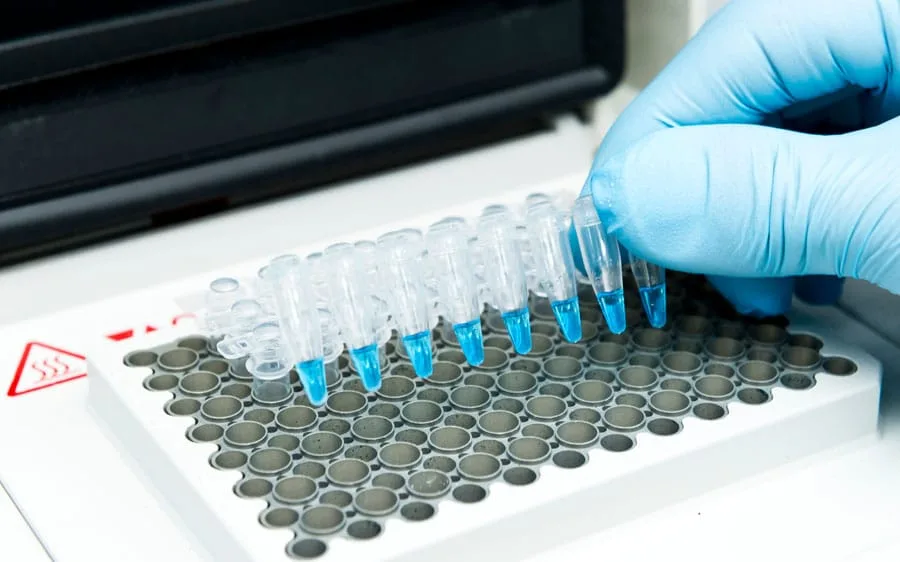
To understand the significance of this advancement, it helps to understand what happens in DNA synthesis. In simple terms, scientists chemically assemble DNA strands by linking nucleotides together in a specific sequence. These custom-built DNA molecules can then be used to study genes, develop therapies, engineer microorganisms, or create biological tools that support scientific discovery. What once required years of work can now often be accomplished with remarkable speed and precision.
The ability to synthesize DNA is accelerating innovation across the life sciences. Researchers can test new ideas more quickly, develop targeted treatments more efficiently, and explore biological questions that were previously difficult to investigate. As synthesis technologies continue to improve, they are expected to play an even larger role in advancing medicine and biotechnology in the coming years.
DNA Testing is Transforming Family and Personal Identity Questions
DNA technology is perhaps most familiar to the public through genetic testing services. Over the past two decades, advances in DNA analysis have made testing faster, more affordable, and more accessible than ever before. These developments have transformed how individuals explore family relationships, ancestry, and personal identity.
One of the most common applications is paternity testing. Modern DNA analysis can provide highly accurate results by comparing specific genetic markers between individuals. What once required lengthy legal and laboratory processes can now often be completed more efficiently while maintaining a high level of scientific reliability. These tests have become valuable tools for resolving family questions, supporting legal proceedings, and providing clarity in situations where biological relationships need to be confirmed.
Beyond paternity testing, genetic analysis is helping people better understand their family histories and inherited traits. As testing technologies continue to evolve, individuals have access to more information about their genetic backgrounds than any previous generation. This growing accessibility is helping bridge the gap between advanced biotechnology and everyday life.
Precision Medicine is Making Healthcare More Personalized
Traditional medicine has often relied on standardized treatment approaches that work well for many patients but may not account for individual genetic differences. DNA technologies are helping change that model by supporting the development of precision medicine, an approach that tailors healthcare decisions to a person’s unique genetic profile.
Genetic testing can help healthcare providers identify variations that influence how patients respond to medications. Some individuals metabolize drugs differently than others, which can affect both effectiveness and potential side effects. By understanding these genetic factors, physicians can make more informed decisions when selecting treatments and dosages.
Gene Editing is Opening New Possibilities for Treatment
One of the most exciting developments in modern biotechnology is gene editing. Technologies such as CRISPR have given scientists the ability to modify DNA with a level of precision that was once considered impossible. These tools allow researchers to add, remove, or alter specific genetic sequences in living organisms.
The potential medical applications are significant. Researchers are investigating ways to use gene editing to address inherited disorders caused by known genetic mutations. In some cases, the goal is to correct the underlying genetic cause of a disease rather than simply manage symptoms. This represents a major shift in how certain conditions may be treated in the future.
Genomic Sequencing is Accelerating Research and Diagnosis
The ability to sequence DNA has improved dramatically over the past several decades. Early genome sequencing projects required enormous investments of time and resources. Today, advanced sequencing technologies allow researchers to analyze genetic information far more quickly and at a fraction of the original cost.
This capability has transformed biomedical research. Scientists can now study diseases at the genetic level, identify previously unknown mutations, and better understand how genetic variations influence health outcomes. Large-scale sequencing projects are generating valuable data that supports discoveries across numerous medical fields.
In clinical settings, genomic sequencing is improving diagnostic capabilities. Patients with rare or unexplained conditions may benefit from genetic testing that helps identify underlying causes. Faster and more comprehensive sequencing technologies are providing physicians with additional tools to support diagnosis, treatment planning, and patient care.